
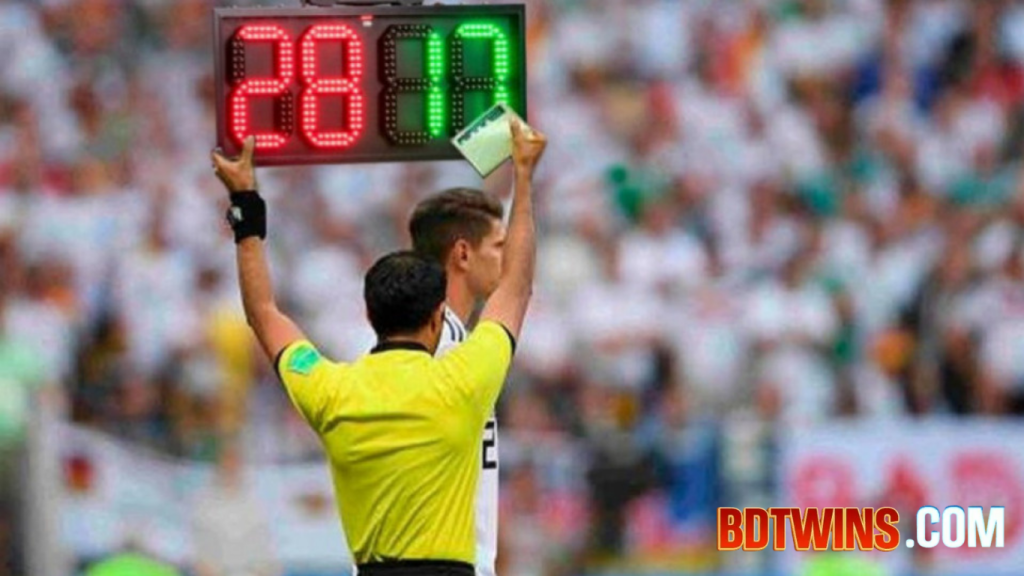
Predicting the “Sleeper” Impact: Tactical Substitutes in Live Football
Strategic shifts in modern football have moved beyond simple formation changes. The introduction of the five-substitution rule has birthed a new era: the age of the “sleeper” substitute. For fans engaging with a bdt game, understanding how a fresh pair of legs can dismantle a tired defense is the key to predicting live match outcomes. These tactical injections are no longer just about injury cover; they are calculated “game-breakers” designed to exploit specific fatigue windows.
Decoding the Strategic Value of Late-Game Entries
In the high-stakes environment of betbdt, the final 20 minutes of a match often see the most dramatic shifts in momentum. To navigate these shifts, many enthusiasts visit the Home Page to analyze current trends before the whistle blows. Coaches now categorize their bench players not by position, but by “impact profile.” A “sleeper” is typically a player with niche explosive traits—extreme verticality, elite crossing, or relentless pressing—who stays dormant until the opposition’s defensive line begins to sag.
When analyzing the potential for a late-game goal on bdt, one must look at the discrepancy between the starter’s fatigue and the substitute’s specific skill set. If a wing-back has been sprinting for 70 minutes, a fresh “impact sub” with high dribbling stats can force errors, penalties, or defensive collapses that were impossible in the first half.
Identifying “Sleeper” Profiles: More Than Just Pace
Predicting which substitute will change the game requires looking past basic speed. On platforms like bdtwins.com, seasoned analysts look for three specific profiles:
- The Chaos Factor: Players who thrive in unorganized play, often disrupting the rhythm of a team trying to see out a lead.
- The Set-Piece Specialist: A substitute brought on specifically for their delivery or height during late-game corners or free kicks.
- The Tactical Anchor: A defensive midfielder introduced to kill the game’s tempo and stabilize a crumbling structure.
These roles are the “sleepers” because their influence isn’t felt until the tactical landscape of the match has shifted.
The Five-Sub Rule: A Paradigm Shift in Live Strategy
The expansion of the bench has fundamentally changed how teams approach the bdt game. It allows managers to maintain a high-intensity press for the full 90 minutes. This “relay race” philosophy means that the intensity of a match no longer naturally decays. Instead, it can peak in the 80th minute as five fresh players enter the fray.
For those tracking live movements on betbdt, it is essential to monitor the timing of these changes. A double substitution in the 65th minute usually signals a proactive tactical shift, while a triple substitution after the 80th minute often indicates a desperate attempt to protect a thin margin or a “Hail Mary” offensive push.
Analytics and the Prediction of Bench Influence
Data science is now used to quantify the “freshness gap.” Advanced metrics show that a substitute’s relative speed against a tired defender increases the probability of a successful “take-on” by nearly 30%. This data is invaluable for anyone trying to master the bdt ecosystem. By cross-referencing a sub’s historical “minutes-per-goal-involvement” as a replacement versus a starter, you can identify players who are statistically more dangerous coming off the bench.
Psychology of the High-Impact Substitute
Mental readiness is the invisible factor in predicting “sleeper” success. Some world-class players struggle to find the rhythm of a game when entering late, while others, often called “super-subs,” possess the mental acuity to read the game from the sidelines. Recognizing these patterns on betbdt allows for a more nuanced understanding of live football dynamics.
A “sleeper” substitute is often watching a specific opponent from the bench, identifying weaknesses in their positioning or signs of physical exhaustion. When they finally step onto the pitch, they aren’t just playing football; they are executing a pre-planned tactical assault on the opponent’s defensive strategy.
Leveraging Player History for Better Live Outcomes
To accurately predict a substitute’s influence, one must look at their recent history of bench contributions. Some players are “rhythm players” who need 20 minutes to get into the flow, while others are “instant-on” assets. Integrating this knowledge into your strategy at bdt game turns a guess into a calculated projection.
To maximize your strategic edge and stay updated with live performance metrics, you can utilize the BDT Game Signal to track real-time developments and historical data. This tool ensures that you are reacting to the most accurate information as soon as a substitute steps onto the pitch.
The Future of Tactical Substitutions in Professional Leagues
As football continues to evolve, the “starting XI” is becoming a secondary concept to the “Finishing XI.” Managers are increasingly starting their more defensive or “workhorse” plaers to tire out the opposition, only to unleash their most creative talents as “sleepers” in the final third of the match. This inverted strategy is a fascinating trend to watch for anyone following bdt or betbdt closely.
The “Sleeper Impact” is no longer a secret; it is a fundamental pillar of modern football theory. By analyzing the bench as a strategic weapon rather than a safety net, you gain a significant advantage in understanding the beautiful game’s unpredictable nature.
Other Posts

sample blog

BDTwins Review 2026 – Top VIP Betting & Casino Platform for Bangladeshi Players

Bangladesh Online Casino 2026 – Betbdt VIP Rewards, Live Betting & Premium Casino Experience